Sustainability at TRIXIE
For us, sustainability means taking responsibility, for people, animals and the environment. Step by step, we are working to further develop products, packaging, processes and our cooperation with partners. Transparency is key: our Sustainability Report 2024 was prepared on a voluntary basis, taking the European Sustainability Reporting Standards (ESRS) into account. This allows us to show clearly where we stand today, what we have already implemented and which next steps we will take – from packaging and materials to energy and fair working conditions. For us, sustainability is not a short-term project but an ongoing process.
We have a lot planned, but we want to work on it consciously, responsibly and transparently – and be a role model for others through our economic, environmental and social actions.
Environment
Where we focus: We optimise packaging, review materials and improve recyclability where it makes sense and is feasible. At the same time, we work to reduce our environmental footprint along the value chain – from raw materials to logistics.
- Packaging & Circularity: We reduce, simplify and design packaging to be as recyclable as possible.
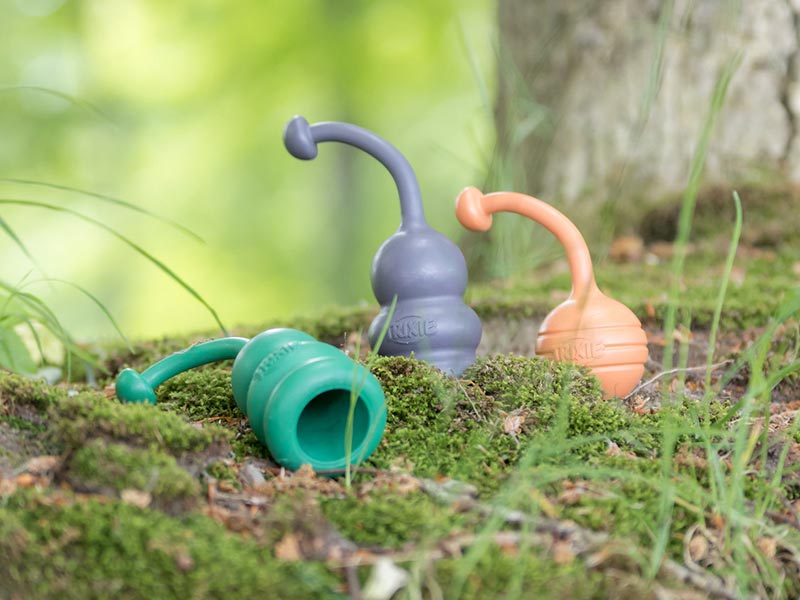
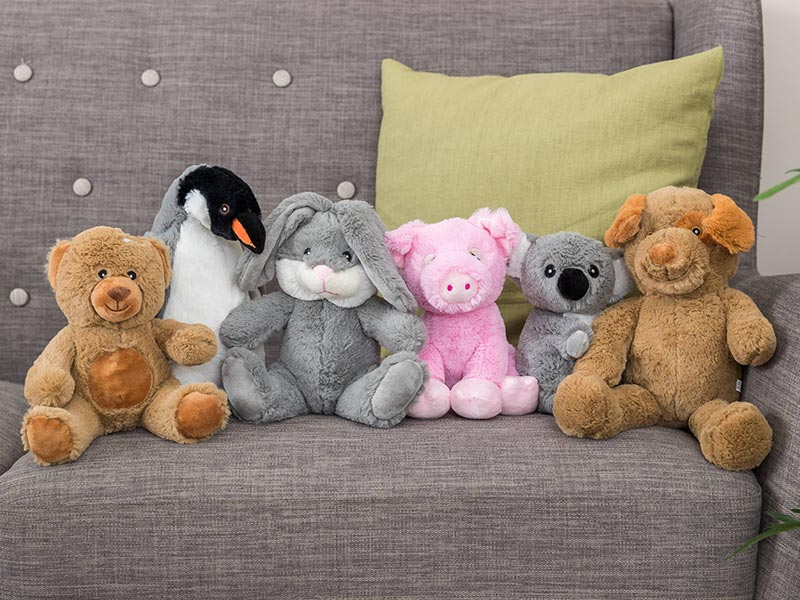
- Materials: In selected products, we use materials with recycled content and are gradually switching wooden products to FSC-certified wood and materials from other controlled sources. Our catalogues and new product brochures are also printed on paper from sustainably managed forests and other controlled sources.
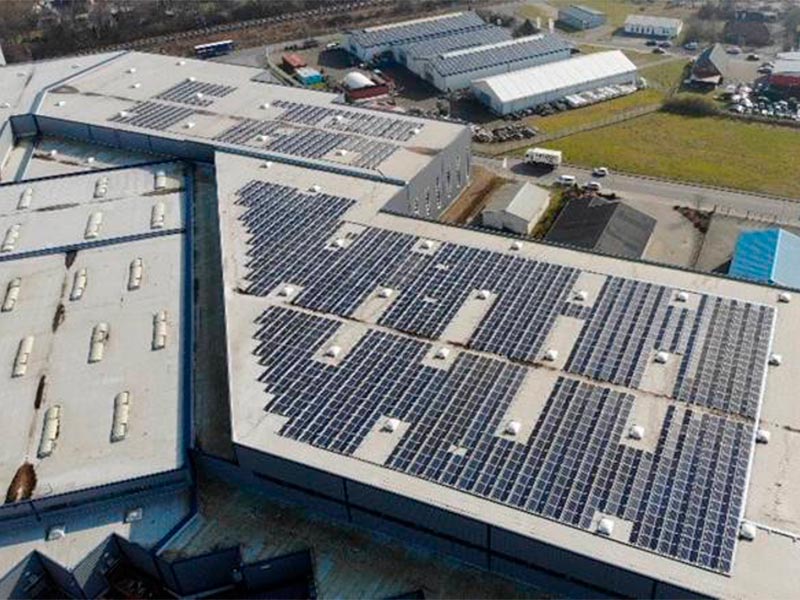
- Energy at our site: We use, among other things, photovoltaic systems and invest in efficiency measures (e. g. lighting/technology) to reduce energy consumption.
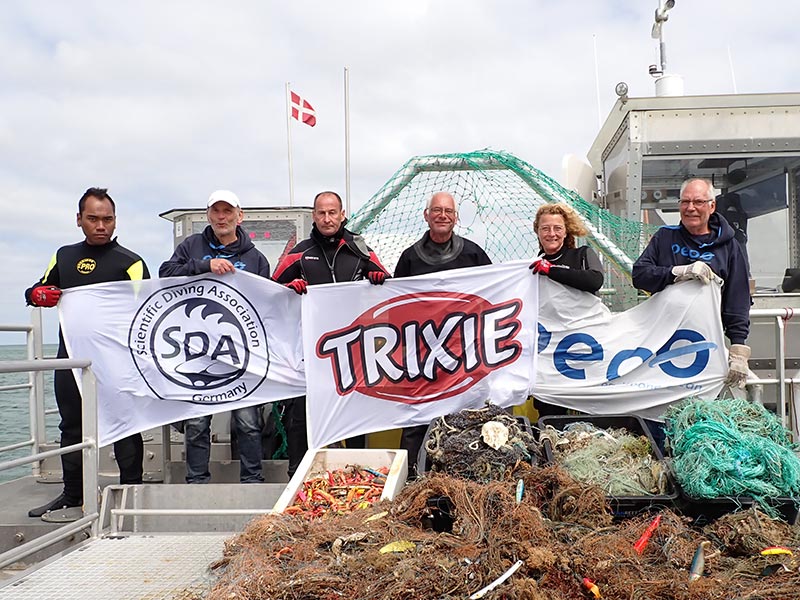
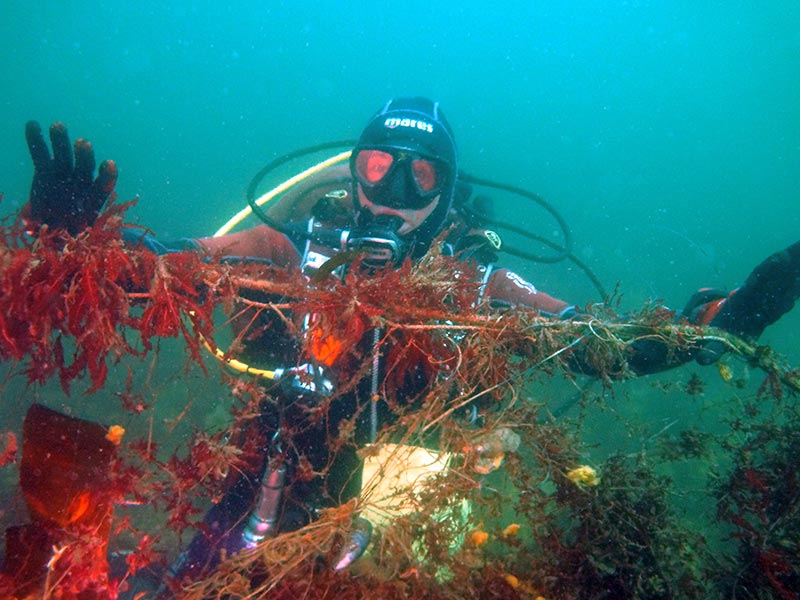
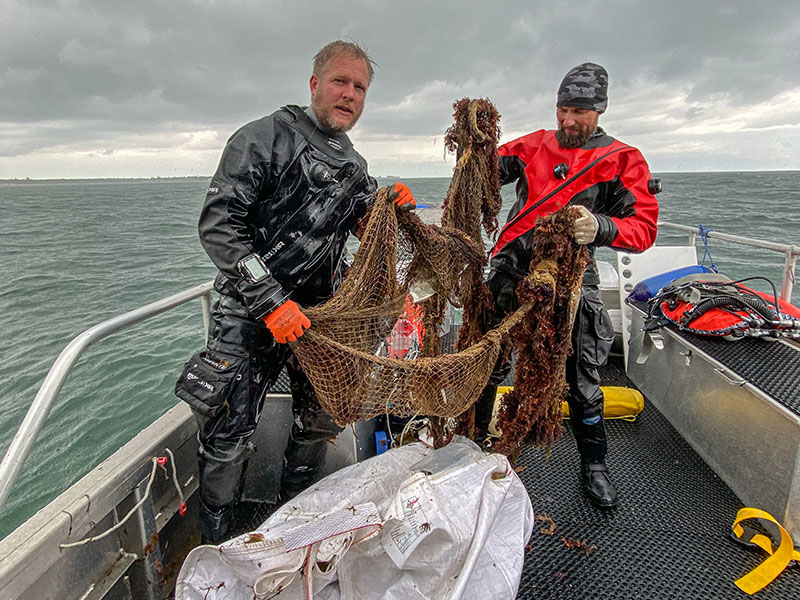
- Marine conservation: With the sale of our BE NORDIC range, we support marine conservation projects. Since 2019, we have been financially involved in ghost net recoveries and clean-ups in the Baltic Sea. In 2020, cigarette butts were the focus of a major awareness campaign. Since January 2025, we have been supporting In Mocean, an initiative by sailors for coastal communities struggling with the global plastic waste crisis. Social projects connected to the sea are also part of our commitment. The association Meer Leben e. V. enables surf therapy for children and adolescents with cancer. In addition, we regularly donate to nature conservation organisations, start-ups and regional associations committed to nature conservation.
Governance & transparency
To ensure sustainability does not remain “a project”, we are establishing structures that improve responsibilities, processes and data step by step. The basis is our double materiality assessment in line with ESRS, which we conducted for the first time in 2025.
Materiality & focus: We systematically review where the greatest impacts, risks and opportunities lie along the value chain.
Transparency in the report: The report contains only information that meets ESRS requirements. Note on AI tools: AI-supported tools were used to assist in drafting/revising; final content was reviewed and approved.
Social
Social responsibility does not end at the factory gate. We want to promote safe and fair working conditions within our own company and, at the same time, take responsibility in the supply chain.
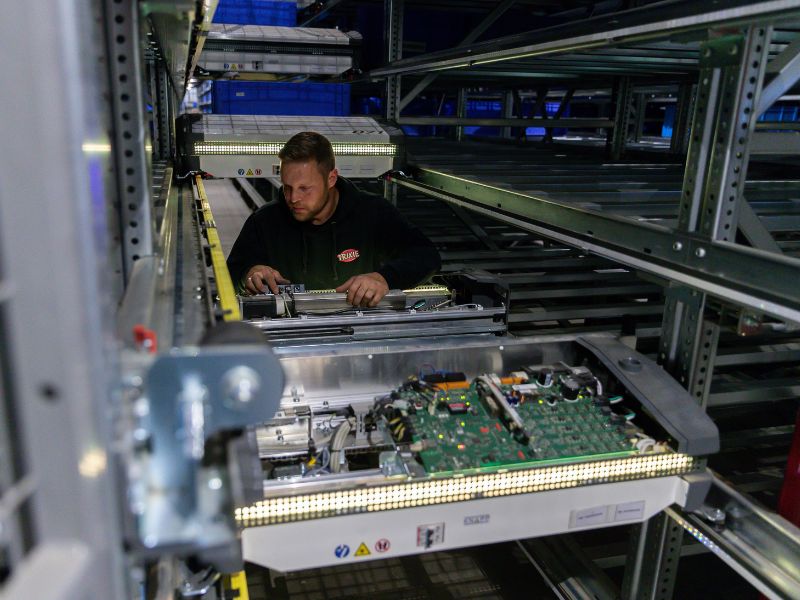
At TRIXIE: For us, health and safety at work and a respectful working environment are not isolated measures, but an integral part of our corporate culture. This is complemented by open communication, opportunities for development and reliable conditions that support a healthy work-life balance. In this way, we create fair, safe and sustainable working conditions for our employees.
In the value chain: As a company, we take responsibility not only for our products, but also for the people who manufacture them. We are therefore a member of amfori and also require this from our suppliers.
The amfori BSCI Code of Conduct, which all parties involved sign, is based on international agreements to protect workers’ rights, such as no child labour, appropriate working hours, fair remuneration, health and safety in the workplace, and protection against discrimination and forced labour.
Zero tolerance for serious violations: In the event of serious violations, we reserve the right to take appropriate steps, up to and including terminating the business relationship.